ARE YOU STORM READY?
$2500 OFF Generators & $100 OFF Surge Protectors

Pathway Lighting Mistakes: The 3 Most Common Errors Homeowners Make



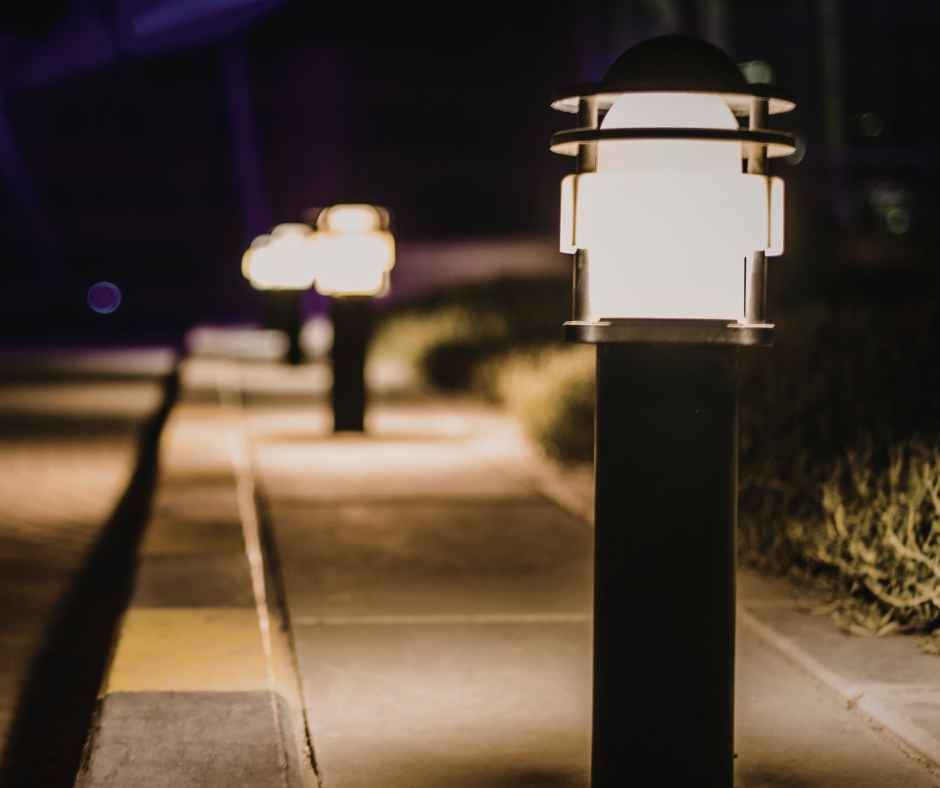
Pathway lighting is one of the most effective ways to enhance safety, visibility, and curb appeal around your home. A well-designed lighting plan can guide guests, highlight landscaping, and create a warm, welcoming atmosphere after dark. However, many homeowners unknowingly make mistakes that limit the beauty and performance of their lighting. Poor fixture choices, improper placement, and lack of maintenance can all reduce the impact of an otherwise well-planned outdoor space.
Avoiding common pathway lighting errors helps ensure your home looks inviting and remains safe for family and visitors. With the right fixtures, layout, and upkeep, pathway lighting can transform your yard into an attractive and functional landscape feature.
In this blog, The Perfect Light breaks down the three most common pathway lighting mistakes homeowners make and explains how to avoid them for a more polished and effective outdoor lighting design.
Mistake #1: Using the Wrong Type or Amount of Fixtures
One of the most common pathway lighting mistakes is choosing fixtures that are not suited for the walkway or using the wrong number of lights. When lights are mismatched, too bright, too dim, or spaced incorrectly, the pathway can look uneven and feel less safe at night.
Common fixture-related issues include:
- Too few lights: This creates dark sections along the walkway and reduces visibility.
- Too many lights: Excessive lighting can create harsh glare and visually overwhelm the landscape.
- Using the wrong fixture style: Indoor or decorative-only fixtures do not hold up outdoors and may fail quickly.
- Improper brightness levels: Lights that are too dim do not illuminate the path, while overly bright lights cause discomfort and distract from your landscaping.
- Inconsistent color temperature: Mixing warm and cool tones creates a disjointed look.
To avoid these problems, choose weather-resistant, low-voltage fixtures designed specifically for outdoor use. Space them evenly to create smooth, overlapping pools of light. This ensures the pathway is clear, attractive, and visually balanced.
Mistake #2: Poor Placement That Reduces Safety and Curb Appeal
Even the best fixtures will not perform well if they are placed incorrectly. Poor placement is a major pathway lighting mistake that leaves walkways unevenly lit, creates tripping hazards, or diminishes the beauty of your landscaping. Proper placement ensures that the pathway is easy to navigate and that the surrounding features are highlighted in a natural, attractive way.
Common placement mistakes include:
- Lights positioned too close to the walkway: This creates harsh hotspots of bright light that make surrounding areas look darker in contrast.
- Lights placed too far away: When fixtures are pulled back into the landscaping, they may not cast enough coverage onto the walking surface.
- Fixtures pointed at eye level: Poor aiming causes glare, making it uncomfortable for guests and reducing visibility.
- Lights hidden behind plants: Shrubs, grasses, or low branches can block a fixture’s beam and cast uneven shadows.
- Straight-line installation: Lining pathway lights in a rigid row can make the layout look artificial rather than naturally integrated.
For ideal placement, stagger lights on alternating sides of the walkway. Aim the light downward and slightly outward to create a soft, even glow without shining directly into anyone’s eyes. Position fixtures far enough away from plants to prevent shadows or blockages as landscaping grows. This approach improves safety, enhances curb appeal, and creates a visually appealing path that guides movement naturally.
Mistake #3: Not Maintaining or Updating the Lighting System
Once pathway lights are installed, many homeowners forget that outdoor lighting requires routine care. Without regular maintenance, fixtures can dim, shift, or become obstructed by plants and debris. Over time, this reduces safety and diminishes the visual impact of your lighting design. Neglecting upkeep is one of the most common pathway lighting mistakes and can cause the system to fail long before its expected lifespan.
Common maintenance issues include:
- Burned-out bulbs: Missing or dim bulbs create uneven lighting and dark spots along the pathway.
- Dirty fixtures: Dirt, moisture, and pollen accumulate on lenses and reduce brightness.
- Overgrown landscaping: Plants can block or redirect light if they are not trimmed regularly.
- Outdated halogen systems: Older lighting uses more energy, produces more heat, and wears out faster than modern LED fixtures.
- Loose or tilted fixtures: Weather, soil changes, or foot traffic can shift fixtures out of alignment over time.
Regular cleaning, bulb replacement, and small adjustments keep your pathway lighting performing as intended. Upgrading to energy-efficient LED fixtures can further improve brightness, reduce maintenance needs, and lower long-term operating costs. A well-maintained system ensures your walkway stays safe, inviting, and visually appealing year-round.
How The Perfect Light Helps Homeowners Create Beautiful, Safe Pathways
The Perfect Light specializes in creating outdoor lighting designs that enhance safety, showcase landscaping, and elevate curb appeal. With expert guidance and high-quality fixtures, homeowners can enjoy pathway lighting that performs well and complements the overall look of their property.
The Perfect Light supports homeowners by offering:
- Custom lighting design: Each pathway layout is tailored to the property, ensuring even illumination and balanced visual appeal.
- High-quality fixtures: Durable, weather-resistant lights built to withstand outdoor conditions and deliver long-lasting performance.
- Professional installation: Skilled technicians ensure correct placement, wiring, and system setup for optimal results.
- LED upgrades: Modern LED lighting improves efficiency, reduces maintenance, and offers brighter, cleaner illumination.
- Ongoing maintenance: Regular service keeps fixtures clean, aligned, and working properly as landscaping grows and seasons change.
Partnering with a professional team ensures your pathway lighting looks beautiful, functions reliably, and enhances your outdoor space for years to come.
Creating Safe and Stylish Pathway Lighting with The Perfect Light
Avoiding common pathway lighting mistakes helps homeowners create outdoor spaces that are both beautiful and functional. The right fixtures, thoughtful placement, and consistent maintenance can transform a walkway into a safe, inviting feature that enhances your landscape. When pathway lighting is designed well, it improves visibility, boosts curb appeal, and adds warmth to your home’s exterior.
Working with professionals ensures your lighting system is installed correctly and performs reliably through every season. From choosing quality fixtures to planning a layout that complements your landscaping, a well-executed design makes a lasting difference.
For expert help creating safe, attractive, and long-lasting pathway lighting, contact us today and get started with The Perfect Light.
FAQ: Pathway Lighting Questions for Homeowners
How far apart should pathway lights be placed for the best results?
Spacing often depends on the brightness and style of the fixture, but most pathway lights work well when placed about six to eight feet apart. This creates overlapping illumination without causing glare.
What color temperature is best for pathway lighting?
Warm white tones between 2700K and 3000K offer a welcoming glow and work well for most residential pathways. These temperatures feel natural and complement landscaping without looking harsh.
Can pathway lights be installed in areas with uneven ground?
Yes. Adjustable stakes and angled fixtures allow pathway lights to be placed on slopes or uneven soil. Proper installation ensures the beam remains directed downward for safe illumination.
Are solar pathway lights a good option for long-term use?
Solar lights can work for light-duty applications, but they often produce inconsistent brightness and struggle in shaded areas. Hardwired or low-voltage LED systems typically offer better performance and durability.
How often should pathway lighting systems be serviced?
Homeowners should check their lighting at least twice a year. Seasonal changes, plant growth, weather, and dirt buildup can all affect performance. Regular cleaning and minor adjustments keep the system working properly.




Light up your nights