ARE YOU STORM READY?
$2500 OFF Generators & $100 OFF Surge Protectors

Aluminum Wiring in Houston Homes: Signs, Risks & Safe Repair Options



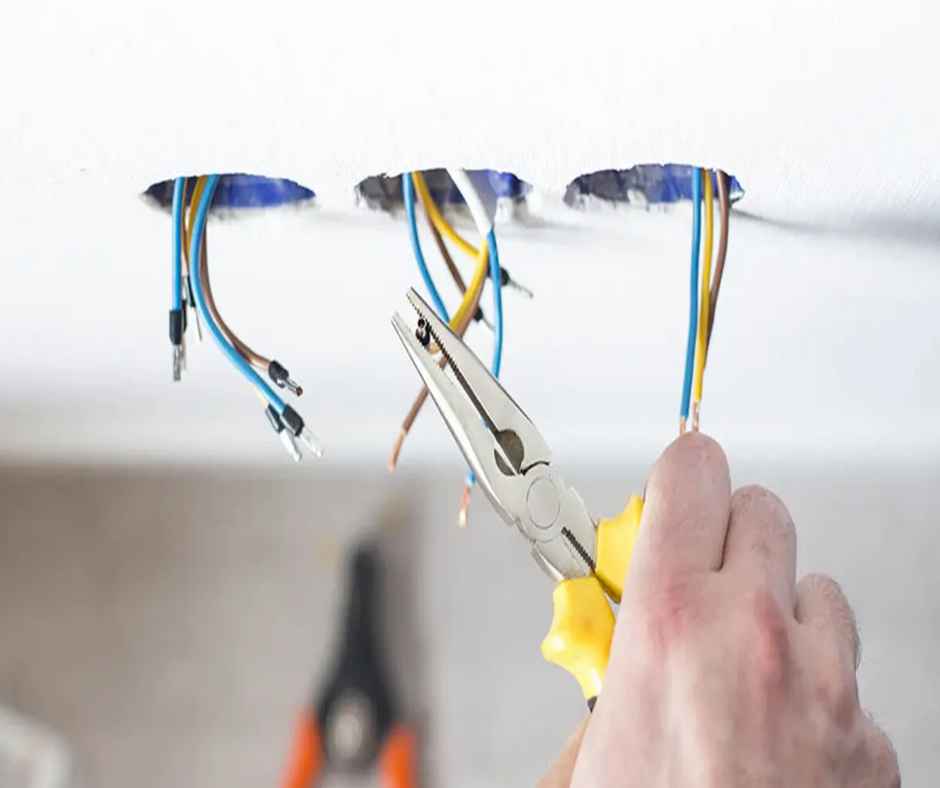
The rapid expansion of Houston during the late 1960s and early 1970s left a specific architectural legacy in neighborhoods such as Memorial, Spring Branch, and Sharpstown. During this period, many residential developments were built with aluminum branch-circuit wiring in response to the rising cost of copper. While aluminum remains a reliable material for high-voltage transmission lines, its use in residential wall outlets and light switches proved problematic over the decades. The physical properties of aluminum differ significantly from copper, leading to unique wear patterns that can eventually compromise the safety of a home’s electrical system.
For Houston homeowners, the challenge is compounded by the Gulf Coast’s persistent humidity, which can accelerate the oxidation of metal components. At The Perfect Light, we prioritize transparency and safety as we help residents navigate the complexities of vintage electrical systems. Recognizing your home’s history and the specific risks associated with aluminum wiring is the first step toward ensuring your property remains a safe haven for your family. In this blog, we will examine the history, risks, and safety protocols associated with aluminum wiring in the Houston area.
Why Aluminum Wiring is a Concern for Houston Homeowners
The primary issue with aluminum wiring is not the wire itself, but the connections to devices such as outlets, switches, and junction boxes. Aluminum is a softer metal than copper and possesses different thermal properties. When electricity flows through a wire, the metal heats up and expands. When the power is turned off, it cools and contracts. Aluminum expands at a much higher rate than copper, a phenomenon known as cold creep. This constant movement eventually causes the connections at the terminals to loosen.
Once a connection becomes loose, electrical resistance increases. In the humid Houston environment, this resistance is further worsened by oxidation. Unlike copper, which rusts and still conducts electricity fairly well, aluminum oxide is an excellent insulator. As the oxide layer builds up, it creates additional resistance, generating excessive heat. This heat can become high enough to melt the plastic of an outlet or ignite the wooden studs behind a wall, often without ever tripping a circuit breaker. Because the failure occurs slowly over years of thermal cycling, many homeowners are unaware of the danger until a fire starts.
- Thermal Expansion: Aluminum expands and contracts more than copper, leading to loose screws and terminals.
- Oxidation: Exposed aluminum reacts with Houston’s humid air to form a resistive crust that generates heat.
- Galvanic Corrosion: When aluminum is connected to a brass or copper terminal without proper protection, a chemical reaction occurs that degrades the metal.
5 Critical Signs Your Home Has Aluminum Wiring Issues
Because aluminum wiring failures often happen inside the wall boxes, you cannot always see the danger. However, the electrical system usually provides subtle warnings before a significant failure occurs. If you live in an older Houston home, staying alert to these sensory cues is essential for fire prevention.
- Flickering Lights: If your lights flicker despite having new bulbs and a stable power grid, it often indicates a loose connection at a junction box or the circuit breaker.
- Warm Cover Plates: Touch the plastic plates on your outlets and switches. If they feel warm or hot to the touch, there is likely excessive resistance and heat buildup occurring at the wire terminals.
- The Smell of Burning Plastic: A persistent, acrid odor near an outlet is a major red flag. This is often the smell of the wire insulation or the outlet body itself beginning to melt.
- Discolored Outlets: Look for warping, yellowing, or black carbon marks around the plug openings. This is a sign of “arcing,” where electricity is jumping across a loose gap in the connection.
- Intermittent Power: If certain outlets or lights stop working and then suddenly start again, the aluminum wire has likely shifted due to thermal expansion, creating an unstable and dangerous connection.
The Risks of “DIY” Aluminum Wiring Fixes
Many well-meaning homeowners attempt to fix aluminum wiring issues by simply tightening the screws on their outlets or replacing old switches with standard ones from a big-box hardware store. In Houston, this is a particularly dangerous approach. Standard switches and outlets are almost always marked with “CO/ALR” or “CU ONLY.” Using a device rated only for copper with aluminum wiring will lead to a rapid failure due to the chemical incompatibility of the metals.
Furthermore, improper “pigtailing” is a common DIY mistake. This involves twisting a copper wire around the aluminum wire to connect to a new outlet. If this is done with a standard wire nut, the aluminum will eventually oxidize inside the nut, creating a concealed fire hazard. Professional repairs require specific materials and high-pressure crimping tools that ensure the connection is airtight and chemically stable. Attempting to manage these repairs without specialized training can not only endanger your home but may also void your homeowner’s insurance policy in the event of a fire.
Safe & Permanent Repair Options: AlumiConn vs. Copalum
When addressing aluminum wiring in Houston, the goal is to create a permanent, maintenance-free connection between the existing aluminum wire and a new copper “pigtail” that connects to your switches and outlets. The Consumer Product Safety Commission (CPSC) recognizes only a few specific methods as safe for long-term residential use. At The Perfect Light, we focus on the most reliable technologies available to ensure your home meets modern safety standards.
- Copalum Compression Crimp: This is often considered the “gold standard” of repairs. It involves using a specialized high-pressure tool to cold-weld copper and aluminum wires within a permanent sleeve. Because this requires a licensed technician and expensive proprietary equipment, it is often the most costly option, but it provides a permanent fix that is virtually identical to a copper-wired home.
- AlumiConn Connectors: A highly effective, more accessible alternative. AlumiConn connectors are small, lug-style blocks in which each wire is secured in its own port with a set screw. The ports are pre-filled with a specialized antioxidant joint compound that prevents Houston’s humid air from reaching the metal. This mechanical connection is designed to accommodate aluminum’s thermal expansion without loosening over time.
- Total Rewiring: In some cases, especially during major renovations in older Houston neighborhoods, homeowners choose to remove the existing aluminum wiring and replace it with modern Romex copper wiring. While this is the most invasive and expensive option, it eliminates risk and delivers the greatest increase in property value.
Professional Inspection: The First Step Toward Peace of Mind
Because electrical fires often start behind walls, a visual “walk-through” by a homeowner is rarely enough to guarantee safety. A professional electrical safety inspection is the only way to verify the integrity of your aluminum connections. When a technician from The Perfect Light visits your home, they look beyond the surface. We open representative junction boxes to check for signs of heat damage, verify that your breaker panel is properly rated for aluminum use, and confirm that any previous repairs were performed using approved methods.
Houston’s older homes have character, but their aging infrastructure is a concern. An inspection not only identifies problems; it also provides a roadmap for prioritized safety upgrades. Whether your home needs a full AlumiConn remediation or just a few strategic repairs to high-load circuits, starting with an expert diagnostic ensures that you are spending your home improvement budget where it matters most: your family’s safety.
Protecting Your Houston Home and Family
Aluminum wiring is a manageable risk, but it should not be ignored. For homeowners in the Houston area, the combination of aging wiring and coastal humidity creates unique circumstances that require professional oversight. By recognizing the signs of failure and choosing CPSC-approved repair methods, you can enjoy your home without the lingering fear of an electrical fire.
At The Perfect Light, we are dedicated to helping our neighbors in Memorial, Spring Branch, and beyond maintain safe, modern, and efficient electrical systems. We understand the technical nuances of aluminum-to-copper transitions and have the tools necessary to perform these repairs correctly the first time. Protecting your home is our highest priority. To schedule a comprehensive electrical safety inspection or to learn more about our aluminum wiring repair options, contact us today.
Frequently Asked Questions
Can I obtain homeowners’ insurance with aluminum wiring?
It is becoming increasingly difficult. Many insurance companies in Texas now require proof of professional remediation (such as Copalum or AlumiConn) before issuing or renewing a policy for a home with aluminum wiring.
Is it safe to just use “CO/ALR” outlets?
While these outlets are designed to be compatible with aluminum, they do not address the wire itself or the connections inside junction boxes. Most experts consider pigtailing with AlumiConn or Copalum to be a much safer, permanent solution.
How much does it cost to repair aluminum wiring?
The cost varies based on the home’s size and the number of outlets and switches. While more expensive than a standard outlet swap, AlumiConn or Copalum repairs are a fraction of the cost of a full home rewire.
Why does the Houston humidity make it worse?
Moisture in the air acts as a catalyst for oxidation. When aluminum oxidizes, it forms a layer of “crust” that resists electrical conduction, causing the connection point to heat up much faster than it would in a dry climate.
Can I tell if I have aluminum wiring by looking at the panel?
Often, yes. Look for the letters “AL” or “Aluminum” printed on the jacket of the wires entering your circuit breaker panel. You can also look for the distinctive silver color of the wire ends.



Light up your nights