

A whole-home generator can keep more than your refrigerator and air conditioning running during an outage. For Austin homeowners with landscape lighting, permanent lighting, smart controls, or other electrical systems that depend on continuous power, backup power can also help keep those systems operating normally. Whether a generator makes sense depends on your home’s electrical setup, the circuits you want to keep powered, and how much disruption you’re trying to avoid.
Power outages affect more than the obvious essentials. For homeowners with landscape lighting, permanent lighting, smart controls, outdoor living systems, or other electrical investments, losing power can also interrupt the systems that make those features work automatically.
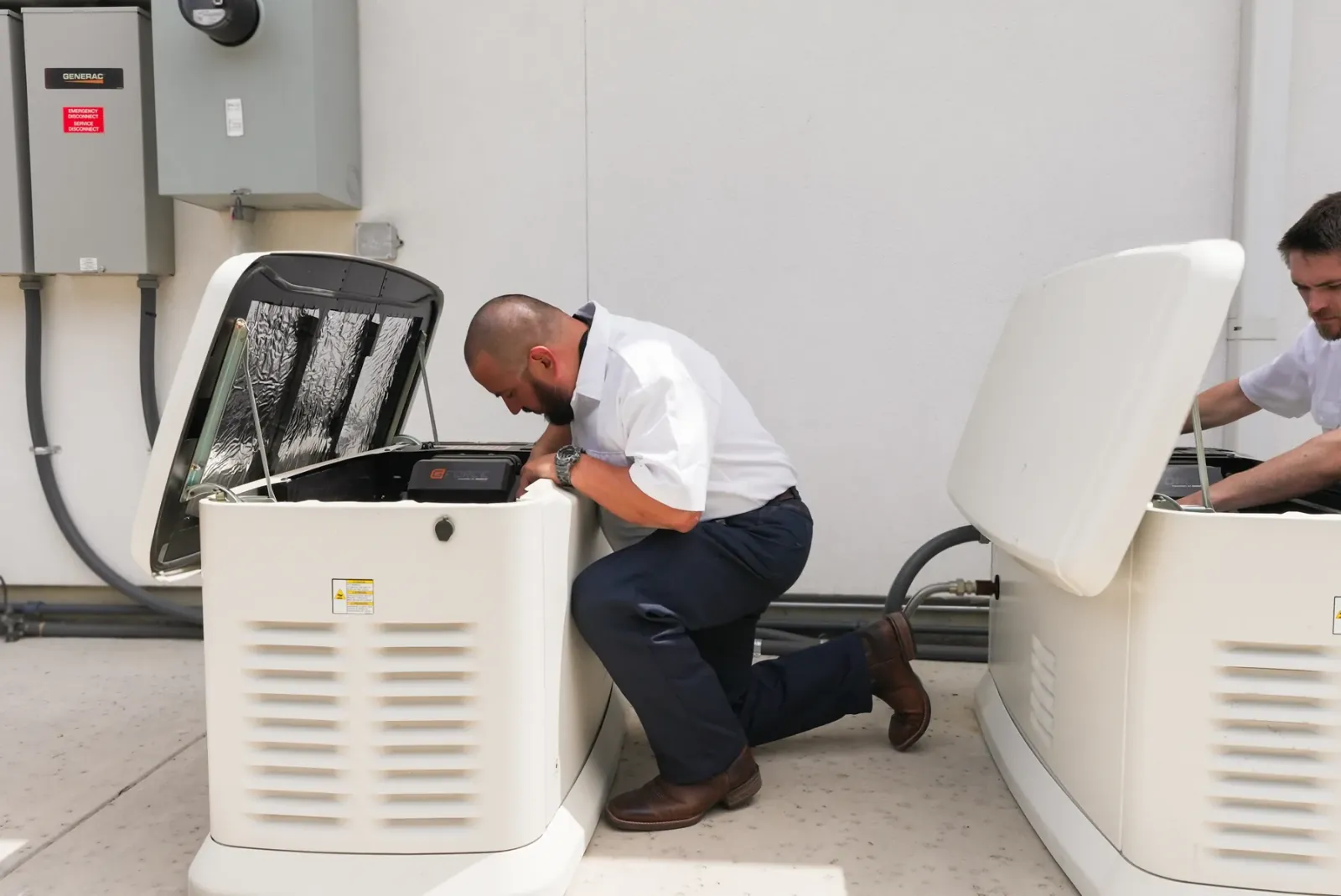
The real generator question isn’t just how to keep the house powered. It’s which systems you want to keep working when utility power is unavailable.
Why Austin homeowners consider backup power
Austin homeowners don’t need to assume another major grid failure is around the corner to have a reason to think about backup power. Outages can happen for much more ordinary reasons, including severe weather, equipment problems, fallen trees, or damage to local power infrastructure.
The more practical question is how much an outage would disrupt your particular home.
For some homeowners, losing power means dealing with a warm refrigerator and waiting for the air conditioning to come back on. For others, more of the home depends on electricity every year: home offices, EV charging, smart-home devices, outdoor living spaces, security systems, landscape lighting, and permanent lighting controls.
The more systems you rely on, the more useful it becomes to think about backup power in terms of priorities. Which circuits need to stay powered? Which systems can wait? And how long are you comfortable being without them?
A whole-home generator is one way to answer that question, but whether it makes sense depends on the home, its existing electrical system, and what the homeowner actually wants to keep running during an outage.
What happens to your lighting when the power goes out
When utility power goes out, the obvious losses are things like air conditioning, refrigerators, and appliances. But lighting systems that depend on household power stop working too, including landscape lighting, permanent lighting systems, and the controls that automate when and how those systems operate.
Landscape lighting typically relies on a transformer connected to the home’s electrical supply. When that supply is interrupted, the landscape lighting goes out with it. Depending on how the system is controlled, timers or other settings may need attention once power is restored.
Permanent lighting systems can also depend on more than the lights themselves. If the system uses an app, Wi-Fi connection, controller, or programmed schedule, those components need power as well. During an outage, the lighting system and the home’s internet equipment may both be unavailable until power returns.
Christmas lighting works on the same basic principle. Whether the display is professionally installed for the season or part of a permanent system, it still depends on the home’s electrical supply. Backup power can keep selected lighting circuits and controls operating during an outage if those circuits are included in the generator setup.
That’s why generator planning shouldn’t stop at the biggest appliances in the house. If landscape lighting, permanent lighting, internet equipment, or other automated systems matter to you during an outage, those priorities should be discussed when deciding what the generator will actually power.
What does a whole-home generator cost?
Whole-home generator pricing varies considerably because you’re paying for more than the generator itself. The size of the home, how much you want to keep powered, the fuel source, transfer equipment, installation requirements, permitting, and the home’s existing electrical setup can all affect the final cost.
National cost data can provide a useful starting point. Angi’s generator installation cost guide reports that whole-house generator projects can range from several thousand dollars to well into five figures depending on generator size and installation complexity. Those are national estimates, not Austin-specific pricing, so they’re better used as a planning range than as an expectation for what a particular home will cost.
The generator itself is only part of the project. A permanent standby system also needs a transfer switch to move the home’s electrical load from utility power to generator power when needed. Depending on the property, installation may also involve a generator pad, fuel connections, permitting, and electrical work needed to integrate the system safely with the home.
The home’s existing electrical system matters too. Before choosing a generator, an electrician should understand the home’s service, panel, current electrical demand, and which circuits the homeowner wants backed up. An older panel doesn’t automatically mean it needs to be replaced, but its condition and capacity should be part of the evaluation.
That’s why a property-specific evaluation matters more than an online average. Two Austin homes of similar size can need very different generator setups depending on what the homeowners want to keep running and what’s already installed.
When does a whole-home generator make sense?
Not every Austin home needs a whole-home generator. The right backup power setup depends on what you want to keep running during an outage, how much power those systems require, and how long you’re comfortable being without them.
A whole-home generator may make more sense for homeowners who want to keep multiple systems running during an outage rather than backing up only a few essential circuits. That could include heating and cooling, refrigerators and freezers, home office equipment, internet equipment, lighting systems, and other electrical features the household relies on every day.
Other homeowners may decide they only need backup power for a smaller group of essential circuits. That’s why the conversation should start with the home’s priorities rather than the size of the generator. What needs to stay powered? What would be inconvenient to lose but isn’t essential? And what can reasonably remain off until utility power returns?
The home’s existing electrical system is part of that decision too. An electrician can evaluate the electrical service and panel, look at the home’s current demand, and account for planned additions such as an EV charger or other high-load equipment. From there, the generator can be sized around the actual home and the systems the homeowner wants to support.
That can be especially useful in an older Austin home where the electrical system may have been changed several times over the life of the property. The age of the house doesn’t automatically mean the panel needs to be upgraded, just as newer construction doesn’t guarantee that every generator installation will be simple. What matters is the electrical system that’s actually there today.
A generator evaluation should ultimately answer two questions together: what do you want to keep powered, and can your existing electrical system support the generator setup required to do it?
What to ask before you book a generator installation
A whole-home generator becomes part of your home’s electrical system, so choosing the right setup involves more than picking a generator based on square footage. Before moving forward, make sure the installation plan accounts for both the generator and the electrical system it’s connecting to.
- Has my electrical panel been evaluated? The electrician should understand your existing service, panel condition, and electrical demand before determining what generator setup makes sense for the home.
- What do I actually want to keep powered? Think beyond the obvious essentials. Heating and cooling, refrigerators, internet equipment, home offices, landscape lighting, permanent lighting controls, and other systems may all factor into how the generator is sized.
- Will the generator power the entire home or selected circuits? Make sure you understand exactly what will and won’t remain powered during an outage. If keeping a lighting system, transformer, controller, or Wi-Fi equipment running matters to you, bring that up during the evaluation rather than assuming it’s included.
- What fuel source will the generator use? The available options can depend on the property and the generator being installed. Ask what the proposed system requires and what that means for installation and ongoing operation.
- How will power transfer during an outage? A permanently installed standby generator typically works with a transfer switch that allows the home to move from utility power to generator power. Ask how the proposed setup will work and which parts of the home it will support.
- What permits or inspections are required? Generator installations can involve local permitting and inspection requirements. Make sure you know what’s included in the project and who is responsible for coordinating those steps.
- Who is handling the electrical work? Because the generator connects directly to the home’s electrical system, the electrical side of the installation should be part of the planning from the beginning, not something addressed after the generator has already been selected.
The goal is to end up with a generator that’s sized for the way you actually use your home and connected to an electrical system that can support it safely. A good evaluation should make both pieces clear before installation begins.
What this means if you already have lighting from The Perfect Light
If you already have landscape lighting, permanent lighting, or seasonal Christmas lighting from The Perfect Light, those systems are worth bringing up when you discuss backup power.
A generator isn’t automatically going to keep every electrical system on your property running during an outage. What stays powered depends on how the generator is sized, how the system is configured, and which loads are included in the backup plan. That’s why the conversation should start with what matters to you.
If keeping your landscape lighting operating is important for visibility around the property, say so. If your permanent lighting relies on a controller or internet connection, those components need power too. The same applies to outdoor living features or other electrical systems you want available when utility power is down.
The advantage of working with The Perfect Light is that its Austin team provides both lighting and licensed residential electrical services. That gives homeowners one company to talk to about how an existing lighting investment fits into a broader backup-power plan rather than treating the generator and lighting systems as completely separate projects.
In Austin, licensed electrician Robert Rosas serves homeowners under Regional Manager Micah Stevens. A generator evaluation can account for the home’s existing electrical system, current power demands, and the systems the homeowner wants to keep operating during an outage before determining what setup makes sense.
For homeowners who have already invested in their property’s lighting, that’s really the connection between the two services. A generator isn’t just about keeping the refrigerator cold. It’s about deciding which parts of your home you don’t want an outage to interrupt and building the backup-power plan around those priorities.
If you’re considering backup power for your Austin home, schedule an electrical evaluation with The Perfect Light to discuss your home’s existing electrical system and what you want to keep powered during an outage. You can also see the current communities served on the Austin electrical service area page.
Ready to talk through backup power for your Austin home?
Learn about generator installation
Or call the Austin office directly at (737) 225-8980.
Frequently asked questions
Does a whole-home generator keep landscape or permanent lighting working during an outage?
It can, depending on how the generator and transfer switch are configured. If the circuits powering your landscape lighting transformer, permanent lighting controller, Wi-Fi equipment, or other related components are included in the backup-power setup, those systems can continue operating when utility power goes out.
How much does a whole-home generator cost in Austin?
Generator costs vary considerably based on the size of the home, generator capacity, fuel source, transfer switch, installation requirements, and whether additional electrical work is needed. National cost estimates can provide a general starting point, but an Austin homeowner needs a property-specific evaluation to understand the actual cost of installation.
Do I need a panel upgrade before installing a whole-home generator?
Not necessarily. Whether electrical upgrades are needed depends on the home’s existing panel, electrical system, generator configuration, and the loads being served. A licensed electrician should evaluate the existing system before determining what additional work, if any, is required.
What should I decide before choosing a whole-home generator?
Start by identifying what you want to keep powered during an outage. That may include air conditioning, refrigeration, lighting, internet equipment, home office equipment, landscape lighting, permanent lighting controls, or other important systems. Those priorities help determine the appropriate generator size and backup-power configuration.
What’s the difference between a generator and whole-home surge protection?
They solve different problems. A generator provides backup electricity when utility power is unavailable. Whole-home surge protection is designed to help protect electrical equipment from damaging voltage surges. Depending on the home’s electrical setup and the equipment being protected, a homeowner may benefit from both.
Does The Perfect Light install generators in Austin?
Yes. The Perfect Light provides licensed residential electrical services in Austin, including generator installation. The electrical team can evaluate the home’s existing system and discuss the homeowner’s backup-power priorities before recommending an appropriate setup.