ARE YOU STORM READY?
$2500 OFF Generators & $100 OFF Surge Protectors

Motion Sensor vs Timer vs Smart Control: Best Control Strategy for Your Outdoor Lighting



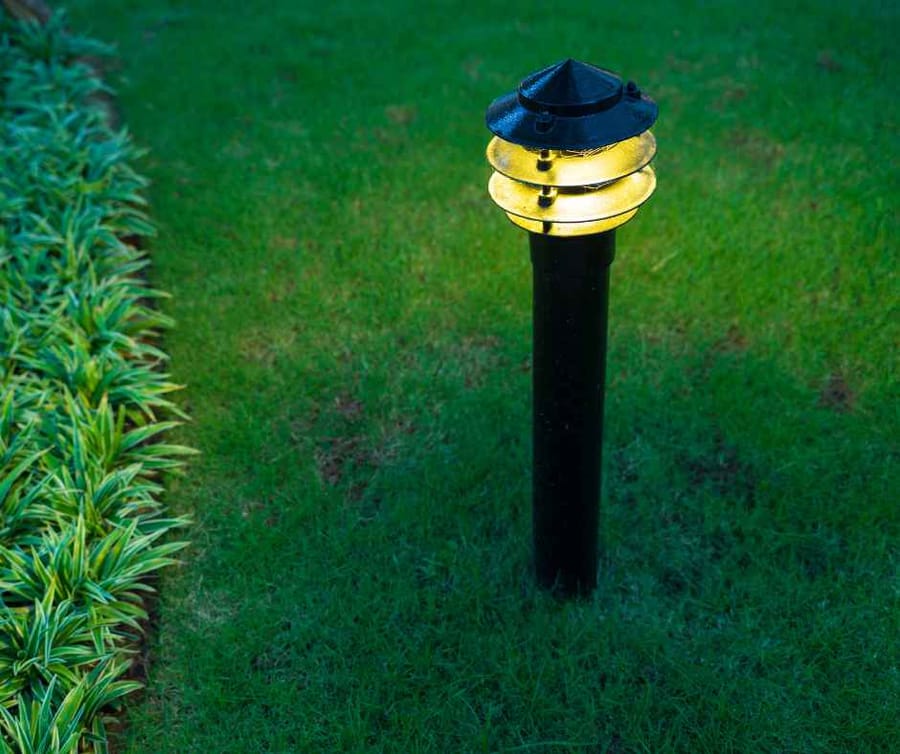
The right outdoor lighting setup does more than brighten your home at night. It enhances safety, improves curb appeal, and adds convenience to your daily routine. But just as important as choosing the right fixtures is deciding how those lights are controlled. The right control method can save energy, reduce maintenance, and help you create the perfect atmosphere for every space around your home.
Homeowners today have three main options when it comes to managing their outdoor lighting: motion sensors, timers, and smart lighting systems. Each approach offers unique advantages, whether you want your lights to come on automatically when someone approaches, follow a consistent schedule, or adjust intelligently through a phone app.
In this blog, we will break down how each lighting control system works, the pros and cons of each, and which combination offers the best results for your outdoor space. Whether you are focused on energy efficiency, security, or convenience, understanding your options will help you choose the perfect control strategy for your home.
Understanding Motion Sensor Controls
Motion sensor lighting is one of the most popular and practical options for outdoor spaces. These systems use built-in sensors that detect movement from people, animals, or vehicles and automatically turn the lights on when motion is detected. Once movement stops, the lights shut off after a set period, saving energy and reducing wear on the bulbs.
-
How motion sensors work: Most motion sensors use infrared technology to detect body heat or movement within a specific range. When the sensor picks up motion, it signals the light to activate. This makes them ideal for driveways, walkways, entryways, and any area where safety and security are priorities.
Advantages of motion sensors:
-
Automatically turn on lights only when needed, conserving energy.
-
Deter unwanted visitors or potential intruders by activating bright lighting.
-
Require little to no manual control once installed.
-
Extend bulb life by minimizing unnecessary run time.
Potential drawbacks:
-
May trigger unexpectedly due to animals, blowing branches, or passing cars.
-
Can leave areas dark when there is no motion, which may not suit every homeowner’s preference.
-
Placement and sensitivity settings must be adjusted carefully for reliable performance.
Motion sensors are a strong choice for homeowners who want to combine security and efficiency without worrying about flipping switches or adjusting schedules. They provide responsive, automatic lighting that reacts instantly when movement occurs, making them ideal for high-traffic areas and entry points.
Using Timers for Outdoor Lighting
Timers are one of the simplest and most reliable ways to manage outdoor lighting. They automatically turn lights on and off at set times, ensuring your property stays well-lit when you need it and conserving energy when you do not. Timers are especially popular for landscaping, pathway, and accent lighting where consistent illumination enhances safety and appearance.
-
How timers work: A timer connects directly to your lighting system and controls when the lights activate and shut off. Basic mechanical timers use rotating dials to set daily schedules, while digital timers offer more precise programming and can accommodate multiple lighting zones.
Advantages of timers:
-
Provide dependable, consistent lighting every night without manual operation.
-
Allow homeowners to create predictable schedules for convenience and security.
-
Help reduce energy use by preventing lights from staying on all night unnecessarily.
-
Work well for decorative or ambient lighting where constant illumination is preferred.
Potential drawbacks:
-
Require manual adjustments for daylight changes, power outages, or seasonal time shifts unless paired with a photocell or smart controller.
-
Less flexible than motion or smart controls since schedules are fixed once set.
-
May need reprogramming after maintenance or system updates.
Timers are ideal for homeowners who value simplicity and consistency. They work best for areas that benefit from steady lighting, such as gardens, patios, and pathways. With minimal upkeep and dependable scheduling, timers are an affordable and effective choice for maintaining an inviting outdoor environment.
Exploring Smart Lighting Controls
Smart lighting systems have transformed the way homeowners manage outdoor illumination. These systems use Wi-Fi, Bluetooth, or smart home hubs to give you complete control of your outdoor lighting through a mobile app or voice assistant. With smart controls, you can adjust brightness, schedule lighting routines, or even change color settings—all from your phone or tablet.
-
How smart controls work: Smart lighting connects your outdoor fixtures to a digital platform, allowing you to monitor and control them remotely. You can program schedules, sync lights with sunrise and sunset times, or receive notifications if something malfunctions. Some systems also integrate with voice assistants like Alexa, Google Assistant, or Apple HomeKit for hands-free convenience.
Advantages of smart lighting:
-
Full control of lighting from anywhere using a smartphone or smart home system.
-
Automatically adjusts for daylight changes and weather conditions.
-
Energy-efficient through dimming, scheduling, and motion integration features.
-
Seamlessly combines convenience, security, and aesthetics in one platform.
Potential drawbacks:
-
May require a stable Wi-Fi connection and compatible smart hub.
-
Higher upfront cost compared to basic timers or motion sensors.
-
Some systems rely on apps that require occasional updates or reconfiguration.
Smart controls are perfect for homeowners who value customization and convenience. They allow precise management of outdoor lighting zones, help reduce energy costs, and add modern sophistication to your home’s exterior. For tech-savvy homeowners or those already using smart home devices, this is often the most flexible and future-ready option.
Comparing the Three Control Strategies
Each outdoor lighting control option offers unique benefits depending on how you use your space and what features you value most. Motion sensors, timers, and smart controls each bring something different to the table, and understanding their strengths can help you design a lighting system that fits your lifestyle.
Motion Sensor Controls:
-
Turn lights on automatically when movement is detected.
-
Best suited for driveways, entryways, garages, and security lighting.
-
Extremely energy efficient since lights only operate when needed.
-
Offer full automation once installed with minimal manual effort.
-
Installation costs are usually low to moderate, depending on coverage area.
-
Maintenance involves occasional sensor cleaning or recalibration.
Timer Controls:
-
Operate lights on a consistent, preset schedule.
-
Ideal for pathways, garden lighting, and decorative fixtures that benefit from steady illumination.
-
Provide predictable lighting routines that enhance safety and curb appeal.
-
Offer moderate energy efficiency, depending on how schedules are programmed.
-
Simple and affordable to install, though manual adjustments may be needed for daylight changes or power outages.
-
Require little maintenance beyond reprogramming when necessary.
Smart Lighting Controls:
-
Give homeowners full control of lighting through mobile apps, voice assistants, or connected smart hubs.
-
Perfect for large properties or anyone wanting customizable lighting zones.
-
Highly energy efficient due to features like dimming, scheduling, and automation based on daylight or motion.
-
Offer the greatest convenience since they can be managed from anywhere.
-
Typically have higher upfront costs but deliver superior functionality and flexibility.
-
Require occasional software updates or Wi-Fi troubleshooting.
While each control method works well individually, combining them often produces the best results. Many homeowners pair motion sensors for security lighting with timers for landscape lights and use smart controls to tie everything together. This layered approach maximizes energy efficiency, convenience, and overall system performance.
Recommended Control Strategies for Different Outdoor Spaces
The best outdoor lighting control setup depends on where the lights are placed and how they are used. Some areas benefit from lights that activate only when needed, while others require steady illumination for beauty and safety. By matching the right control strategy to each space, you can create a system that is both functional and efficient.
-
Driveways and Entryways: Motion sensor controls work best here because they instantly light up when someone approaches. This helps improve visibility, deters intruders, and conserves energy when the area is not in use. Pairing a motion sensor with a smart control system allows you to adjust sensitivity or brightness directly from your phone.
-
Pathways and Walkways: Timers provide consistent lighting that helps guide guests safely at night. Setting the lights to turn on at dusk and off at dawn ensures your pathways are always visible without wasting energy. Adding a photocell or smart timer can automatically adjust for daylight changes throughout the year.
-
Gardens and Landscaping: A timer or smart control system is ideal for accent lighting in your landscaping. Timers keep your outdoor features illuminated during evening hours, while smart controls allow you to customize brightness levels and even create lighting scenes for special occasions.
-
Patios and Outdoor Living Areas: Smart lighting controls are the most versatile choice for spaces where you spend time relaxing or entertaining. You can dim the lights for a cozy evening or brighten them for gatherings, all from your phone or through voice commands.
-
Security Lighting and Side Yards: Motion sensor lights are perfect for these areas since they activate only when activity is detected. This not only adds security but also keeps your utility bills lower. You can enhance this setup by linking the motion sensor to a smart system that sends alerts to your device when motion is detected.
-
Full-Property Integration: For homeowners who want total control and seamless automation, combining all three systems is often the most effective approach. Use motion sensors for security, timers for steady illumination, and smart controls to monitor and adjust everything from a single platform.
Choosing the right strategy for each area helps you make the most of your outdoor lighting. The result is a well-balanced, efficient system that enhances your home’s appearance, safety, and convenience all year long.
Finding the Right Balance for Your Home
The right outdoor lighting control system makes a big difference in how your home looks and functions after dark. Whether you want automatic security lighting, consistent landscape illumination, or full smart-home convenience, choosing the right combination of controls can help you achieve both beauty and efficiency.
Motion sensors are excellent for driveways, entryways, and side yards where you only need light when someone is nearby. Timers work best for pathways and decorative lighting that benefit from predictable schedules. Smart lighting systems bring everything together, allowing you to adjust brightness, timing, and automation with just a few taps on your phone.
There is no single solution that fits every home, but finding the right balance between convenience, energy savings, and control will give you the best results. For most homeowners, combining these systems offers the perfect mix of comfort and functionality.
If you are ready to upgrade your outdoor lighting with a customized, easy-to-manage control strategy, contact The Perfect Light today. Our experts can design and install a system that complements your property, enhances security, and gives you total control of your outdoor lighting experience.


Light up your nights